
Welcome to KrcmarLab
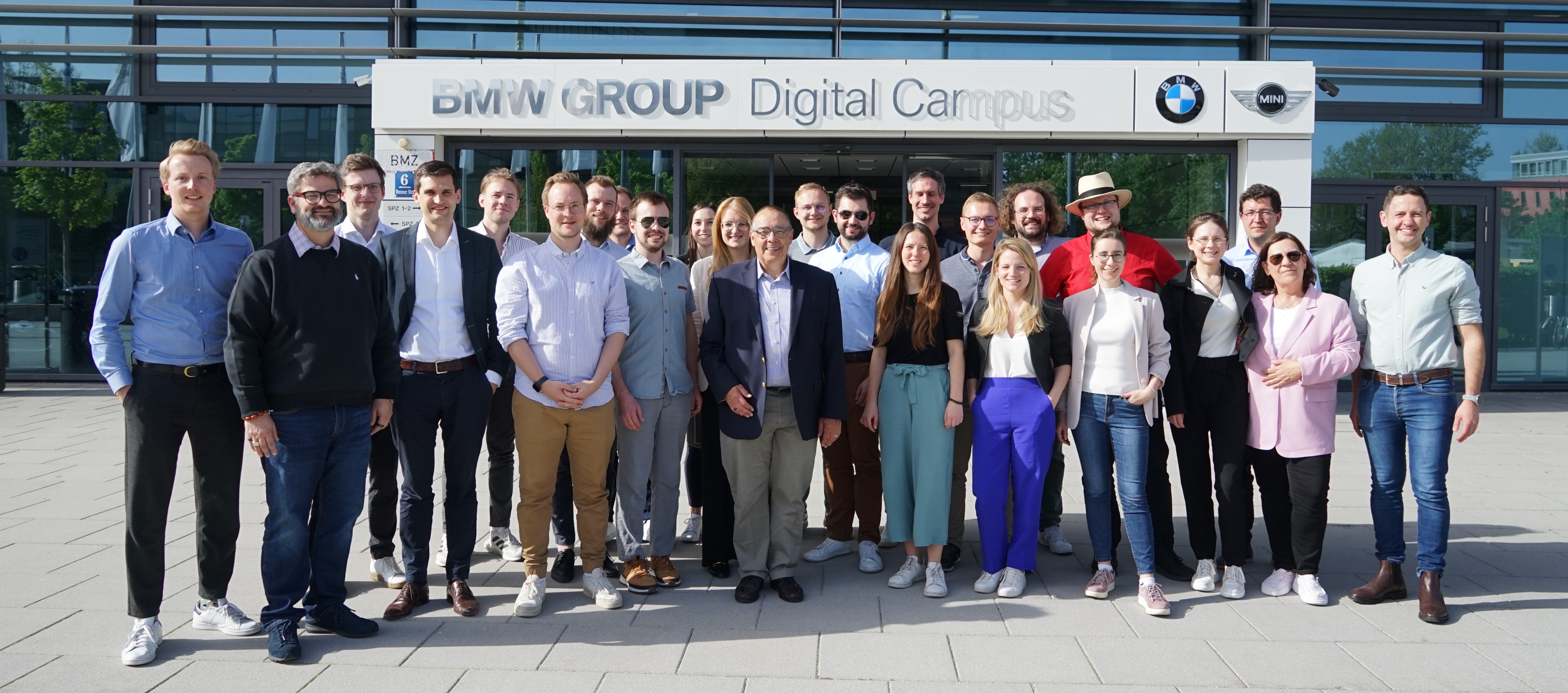
Our research group was founded in 1987 at the University of Hohenheim as the Chair for Information Systems. In 2002, Prof. Dr. Dr. h.c. Helmut Krcmar followed the call of the Technical University of Munich. In October 2020, Helmut Krcmar became Professor emeritus and the former chair became the KrcmarLab. As a research group, KrcmarLab is embedded in the Chair for Information Systems and BPM. Currently, our team consists of 19 members and engages in a variety of research and project work on "IT for matters that matter".
News from KrcmarLab
Discussing Patient-generated Health Data at the GMDS Congress
News Krcmar Lab |
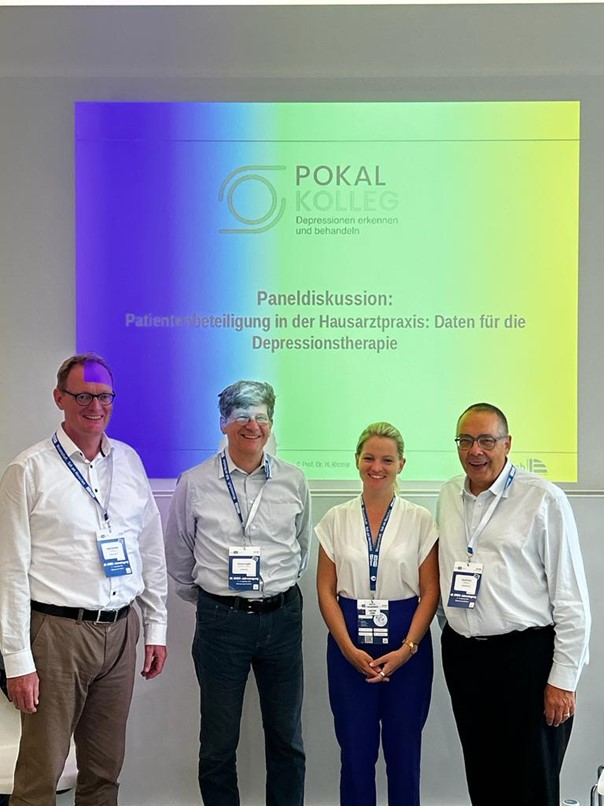
The panel, featuring Dr. Barbara Prommegger (KrcmarLab – Technical University of Munich), Prof. Dr. Jochen Gensichen (Institute of General Practice and Family Medicine, University Hospital of the Ludwig-Maximilians-University), and Prof. Dr. Christian Fegeler (GECKO Institut für Medizin, Informatik und Ökonomie, Hochschule Heilbronn) and moderated by Prof. Dr. Helmut Krcmar (KrcmarLab – Technical University of Munich), investigated crucial aspects of integrating patient-generated health data into GP care. The experts discussed several exciting topics:
Patient-Centered Engagement: A novel, patient-centered approach, driven by patient-generated health data, enables treatment strategies based on symptoms and data, actively involving patients in their care.
Data Simplification: By reducing and structuring the collected data, the understanding of patients' conditions can be enhanced and, consequently, the effectiveness of treatment strategies be improved.
Context Matters: Incorporating lifestyle and environmental data into treatment plans is important for holistic patient care, as patient's health is linked to their circumstances.
Human-Centered Care: Patients are more than just data points. Communication and understanding between healthcare providers and patients need to remain at the heart of quality care.
In conclusion, the focus is on patient-centered care, ensuring that data-driven improvements lead to more compassionate and effective healthcare experiences.